|
|
This Month
As February comes to a close and the spring growing season moves into view, momentum is building across the WFA network. From a radio spotlight on our Farmland Flyways program to new research on kestrels and food safety, upcoming webinars, book recommendations, and community action on the ground, this month’s newsletter highlights the many ways birds, biodiversity, and agriculture intersect.
Whether you’re tuning in, joining a cleanup, exploring new research, or putting practical tools to work on your land, we hope these updates inform and inspire your work for the season ahead.
|
|
|
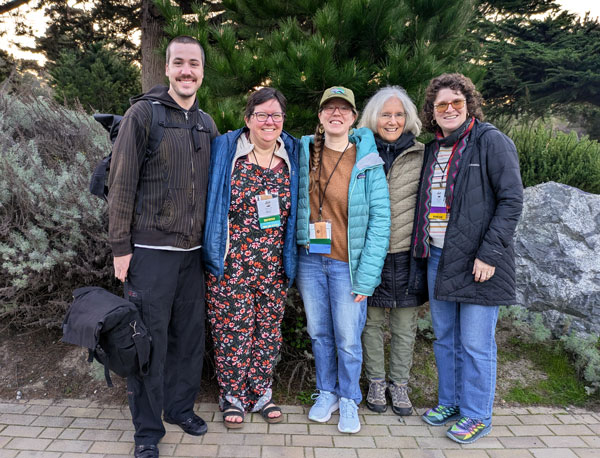
WFA at EcoFarm 2026
Wild Farm Alliance kicked off the new year with a pilgrimage to January’s annual EcoFarm Conference. Over four days, our staff connected with farmers, researchers, and conservation partners who share our commitment to biodiversity on working lands. This year’s highlights included two beneficial bird sessions led by WFA, as well as a workshop on hedgerows featuring our friend and consultant, Sam Earnshaw.
Our first workshop, “Birds That Work: Songbirds Boost Pest Control,” showcased the growing body of research showing how insect-eating songbirds provide valuable natural pest control on farms. WFA Executive Director Jo Ann Baumgartner and Dr. Matt Johnson of Cal Poly Humboldt shared practical strategies for attracting and supporting these feathered farm allies through habitat enhancements and management practices.
|
|
Farmland Flyways Program Featured on KMUZ
Last month, KMUZ's Conservation Spotlight featured our Farmland Flyways Program. In the episode, WFA's Ashley Chesser discusses how the Flyways Program helps farmers create vital bird habitat along migration routes – giving birds the resources they need while delivering real benefits back to the farm. From supporting biodiversity to providing natural pest control, Ashley shares how working with birds is a win-win for agriculture and conservation. Get inspired to support birds on your farm and then be sure to join the Farmland Flyways Trail if you haven’t already.
|
|
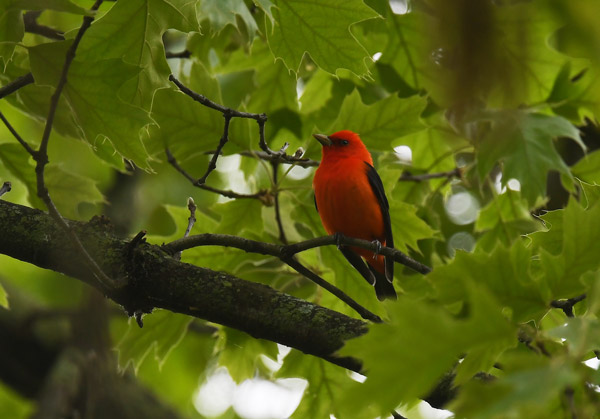
Role of Birds on Midwest Farms Webinar Series
Lesson 7: Bridging Forestry, Farming, and Habitat
February 24, 2026, 11:00 am CT
Last September, we launched our webinar course, Role of Birds on Midwest Farms. In lesson 6 we learned about Tree Swallows and how growers can use nest boxes to support them, while managing flies in livestock operations. If you missed any of the first six lessons, you can find the recordings below.
In lesson 7, learn important habitat features for forest birds and forest stewardship techniques.
|
|
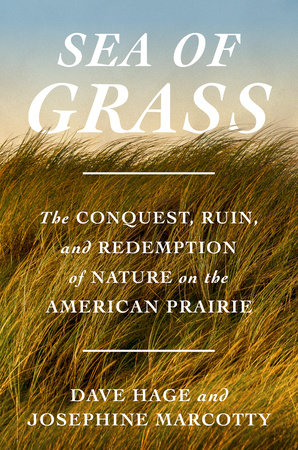
Sea of Grass Book Review
Looking to add a book to your reading list? Wild Farm Alliance is pleased to highlight Sea of Grass: The Conquest, Ruin, and Redemption of Nature on the American Prairie. The book is a vivid portrait of the American prairie, which rivals the rainforest in its biological diversity and, with little notice, is disappearing even faster.
Journalists and midwesterners Dave Hage and Josephine Marcotty reveal humanity’s relationship with this incredible land, offering a deep, compassionate analysis of the difficult decisions as well as opportunities facing agricultural and Indigenous communities.
“America’s grasslands were once among the most diverse ecosystems on Earth, and their loss has been staggering but not irreversible,” says WFA Program Associate Courtney Tchida. “What makes Sea of Grass so powerful is that it details the damage industrial agriculture has done to our soil, water, and rural communities, while also lifting up the farmers, conservationists, and innovators who are restoring prairie health from the ground up. It’s both a wake-up call and a roadmap, reminding us that with the right stewardship, the prairie’s resilience can guide us toward a more wild and hopeful agricultural future.”
|
|
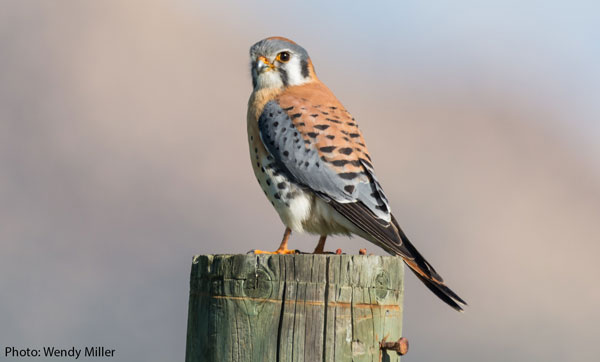
American Kestrels Reduce Food Safety Risk in New Study
Research partner Olivia Smith published a study in November in the Journal of Applied Ecology, showing that American Kestrels are reducing both crop damage and food safety risks in Michigan sweet cherry orchards.
Kestrels are a declining species in some parts of the country. Attracting them to farms can reduce the numbers of crop-eating birds, while helping to rebuild Kestrel populations.
Olivia and her team examined 16 sweet cherry orchards in Michigan during the 2021 and 2022 growing seasons and compared sites with active kestrel nest boxes to those without. The research team tracked bird activity, measured cherry damage, and collected bird droppings to test for Campylobacter, a foodborne pathogen found in wild birds. The researchers found that orchards with active nest boxes had fewer droppings and reduced crop damage overall.
At the links below you can read the study and watch the webinar we hosted with Olivia Smith, Birds on the Farm: Balancing Biodiversity and Food Safety.
|
|
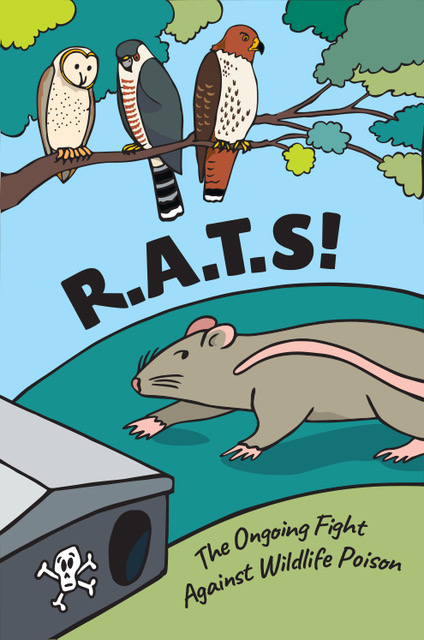
New Graphic Novel from Raptors are the Solution
Raptors are the Solution (RATS) shares a colorful new graphic novel about the impact of anticoagulant rodenticides on the food chain. It tells the story of how a large coalition of people took action to help protect wildlife from these poisons in California.
|
|

Save the Date: Third Annual Pitch-In Santa Cruz Cleanup Day on May 9th
Under the cover of darkness, trucks rumble down quiet country roads and unwanted cargo is heaved into the fields. Bags of household trash, splintered couches, and old tires are discarded. By sunrise, farmers are left not only with the day’s work ahead of them, but with someone else’s mess scattered across their land. It’s a frustrating and costly routine that threatens livestock, crops, and waterways.
But in Santa Cruz County, a different story is taking shape.
Pitch In Santa Cruz, a coalition of energized residents, local governments, and nonprofit leaders, is pushing back against illegal dumping with boots-on-the-ground action and a bold vision for change. Through organized cleanups and community partnerships, they’re not just hauling away trash; they’re restoring habitats, protecting wildlife, and reclaiming the natural beauty that defines the region.
“This is a beautiful place and we need to take care of it,” said Sally-Christine Rodgers, a long-time local resident who spearheaded the initiative. “Litter abatement is a heavy lift, but it’s something that is achievable and it’s something we can all do.”
Area residents are encouraged to join the third annual cleanup effort on May 9, 2026.
|
|
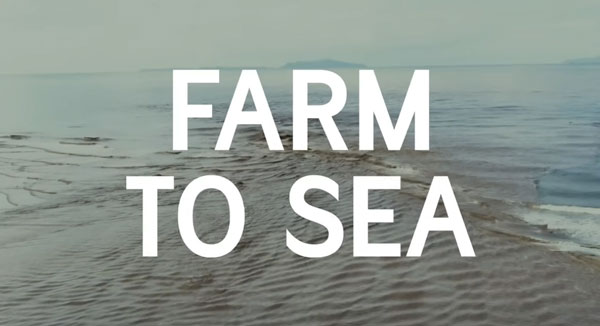
Farm to Sea Partner Video
Farmer friend Steve Sprinkel is featured in a new short film about watershed health. Farm to Sea distills a regenerative organic farmer’s lifework into the timeless elements of soil, water and good old elbow grease. Set in California’s Ventura River watershed, it follows the path of water—from sea to cloud to mountain to farm to sea again—demonstrating how agricultural practices can support rather than disrupt this vital cycle.
|
|
Wild Farm Alliance · PO Box 2570, Watsonville, CA 95077
This email was sent to [email protected] because you subscribed
Change your mind at any time: Unsubscribe
Bringing Nature Back to the Farm
|
|
|
|


