Nest boxes, field days and more
|
|
This Month
The birds are busy, the flowering habitat is growing, and wild farms are flourishing. This month, we honor WFA co-founder and outgoing Board President Dan Imhoff. We also head into the field with farmers in San Joaquin Valley of California and Willamette Valley of Oregon, and build bird box habitat in Napa and Minneapolis.
From WFA’s beginnings to field days and building habitat, there’s plenty to explore from the wild side of farming.
|
|
|
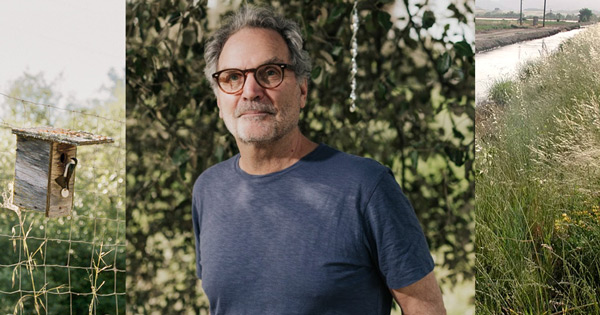 Photo credit: Katie Goode Donaldson (left), Dan Imhoff (middle, right) Photo credit: Katie Goode Donaldson (left), Dan Imhoff (middle, right)
26 Years of Farming with the Wild
WFA co-founder Dan Imhoff reflects on the movement he helped build and why the dream of farms braided with living habitat is closer than ever.
“Farming with the wild” is a beautiful dream. Farms and ranches braided by natural habitat connected across vibrant landscapes. Lately I’ve been tracing my personal path to this idea. After 26 years as co-founder and board president of the Wild Farm Alliance, it’s time for me to pass the baton. Yet the synthesis of farming and wildness is never far from my mind.
|
|

Jessie's Grove Winery: Growing Grapes and Giving Flight to Barn Owls
By Katie Donaldson, WFA GrizzlyCorps Fellow
In California's San Joaquin Valley, Jessie’s Grove Winery has built a farming system where biodiversity isn’t just a value, it’s a practice.
When Joseph Spenker arrived in Lodi in the 1860s, he was searching for land "where the oak trees grew the tallest." He found it, planted his first vineyard in 1888, and many of those vines are still producing today. But it was his daughter Jessie who shaped what the farm would stand for. In the 1940s and 50s when the Central Valley was rapidly transforming, she set aside a 32-acre oak-covered parcel and refused to develop it. The grove and the winery were named in her honor.
|
|
 Brian Zielinski discusses Scenic Valley Farms' conservation practices, including raptor perches for pest control. Brian Zielinski discusses Scenic Valley Farms' conservation practices, including raptor perches for pest control.
Growing Grapes, Hops, and Habitat at Scenic Valley Farms
On a sunny June morning, Wild Farm Alliance and 24 participants gathered at Scenic Valley Farms in the Willamette Valley of Oregon for a field day co-hosted with our partners at Salmon-Safe.
Brian Zielinski, a third generation farmer at Scenic Valley, opened up the event with a tour of the vineyards. He highlighted the wildlife-friendly practices they’ve adopted, such as adding raptor perches, bat houses and bird boxes, planting cover crops between the vine rows, and installing flowering habitat along field edges. Brian shared that their business model is based on investing in the ecosystem that will be left for their children instead of focusing solely on the bottom dollar.
|
|
 Photo Credit: Rowan O’Connell-Gates Photo Credit: Rowan O’Connell-Gates
Building Bird Habitat, One Nest Box at a Time
Wild Farm Alliance partnered with the Napa Valley Farmworker Foundation (NVFF) recently to host a Songbird Nest Box Workshop for students in the NVFF’s Fields of Opportunity internship program at the Napa Valley Education Foundation.
Set along the Napa River, the foundation’s three-acre campus–formerly home to the Oxbow School, founded by Robert and Margrit Mondavi–offered a fitting setting for the day’s workshop. Native plants and trees are woven throughout the grounds, while birds move freely across the campus. It was a vivid reminder of the kind of landscape Wild Farm Alliance works toward: one where people and nature thrive alongside one another.
|
|

Minnesota Farmers: Funding Now Open for Climate-Friendly Practices!
Farmers who implement sustainable practices with measurable emissions reductions can earn up to $10,000. The Minnesota Department of Agriculture is accepting applications for Climate Friendly Agricultural Practices (CFAP) incentive payments. The state has $1.2 million available; applications are accepted until further notice.
|
|

Volunteer at the MN State Fair: Free Admission + T-Shirt Included
Wild Farm Alliance is joining with Renewing the Countryside (RTC) at the Minnesota State Fair! This year, the Food and Farming exhibit is called Bird Friendly Farming and focuses on farmers who use sustainable growing practices to support native bird populations.
Volunteer at the EcoExperience building with us and get a FREE admittance ticket to the fair for the day you volunteer and a FREE limited-edition ‘local food’ organic cotton t-shirt! Whether it’s handing out samples of dishes from our featured chefs, facilitating engaging activities celebrating MN-grown produce, or lending a hand with food prep, volunteering at the Fair is a rewarding experience that helps to connect fairgoers with vital information about supporting local food systems and a more resilient future.
Volunteer shifts are an average of three hours and are available every day of the Fair, Aug. 27th - Sept. 7th, from 9am to 7:30pm.
|
| |
|
|
|
|
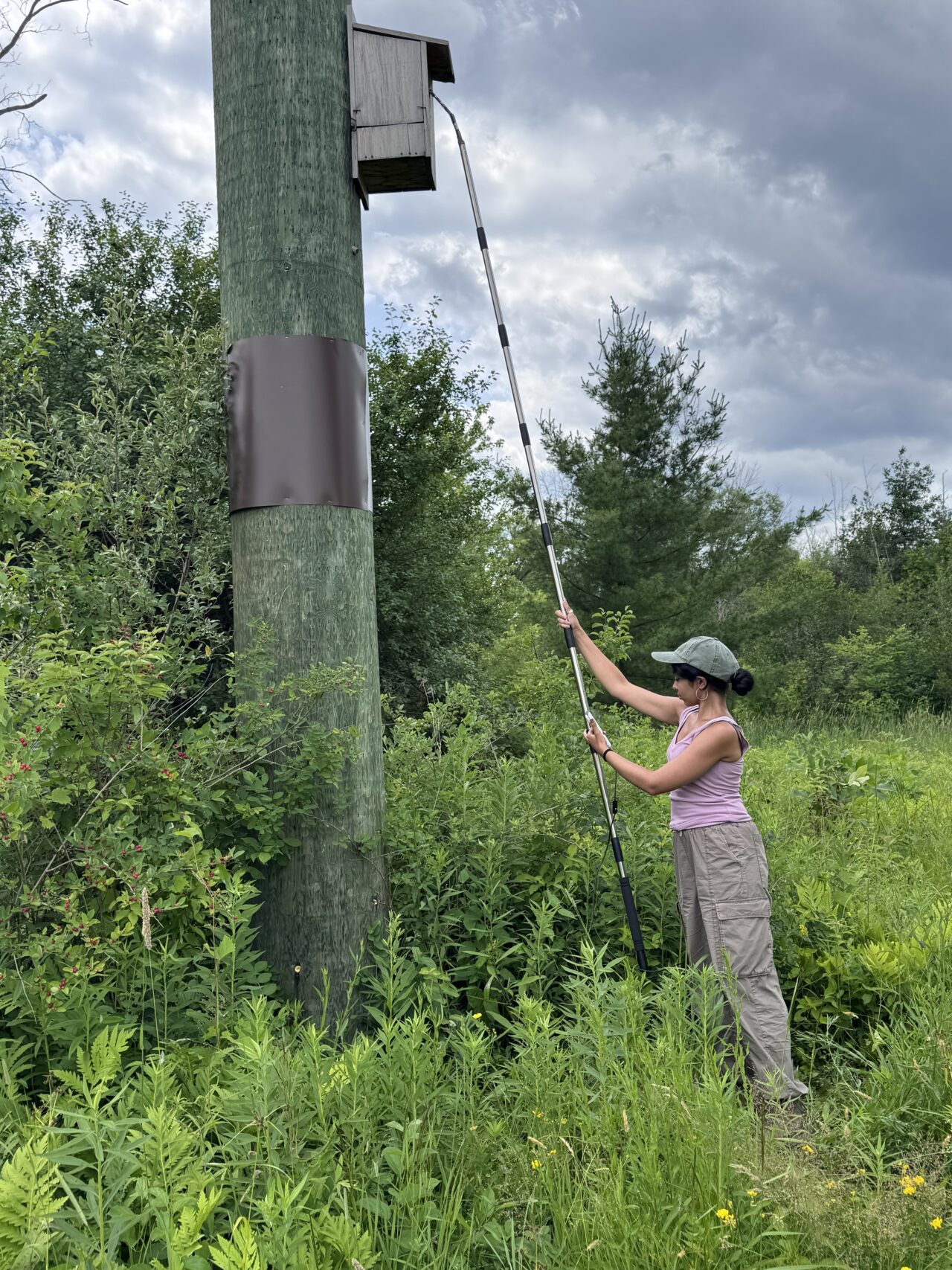
How to Easily Check Hard-to-Reach Nests
Do you have nest boxes that are mounted too high to easily inspect without a ladder? Shubha Gautam of the Cornell University Class of 2028 shows how you can use a pole with a camera at its end to see what’s going on inside these boxes. Lightweight, inexpensive, and easy-to-use, this DIY tool can be operated by one person. No more wondering what's happening in those out-of-reach nest boxes!
|
|
|
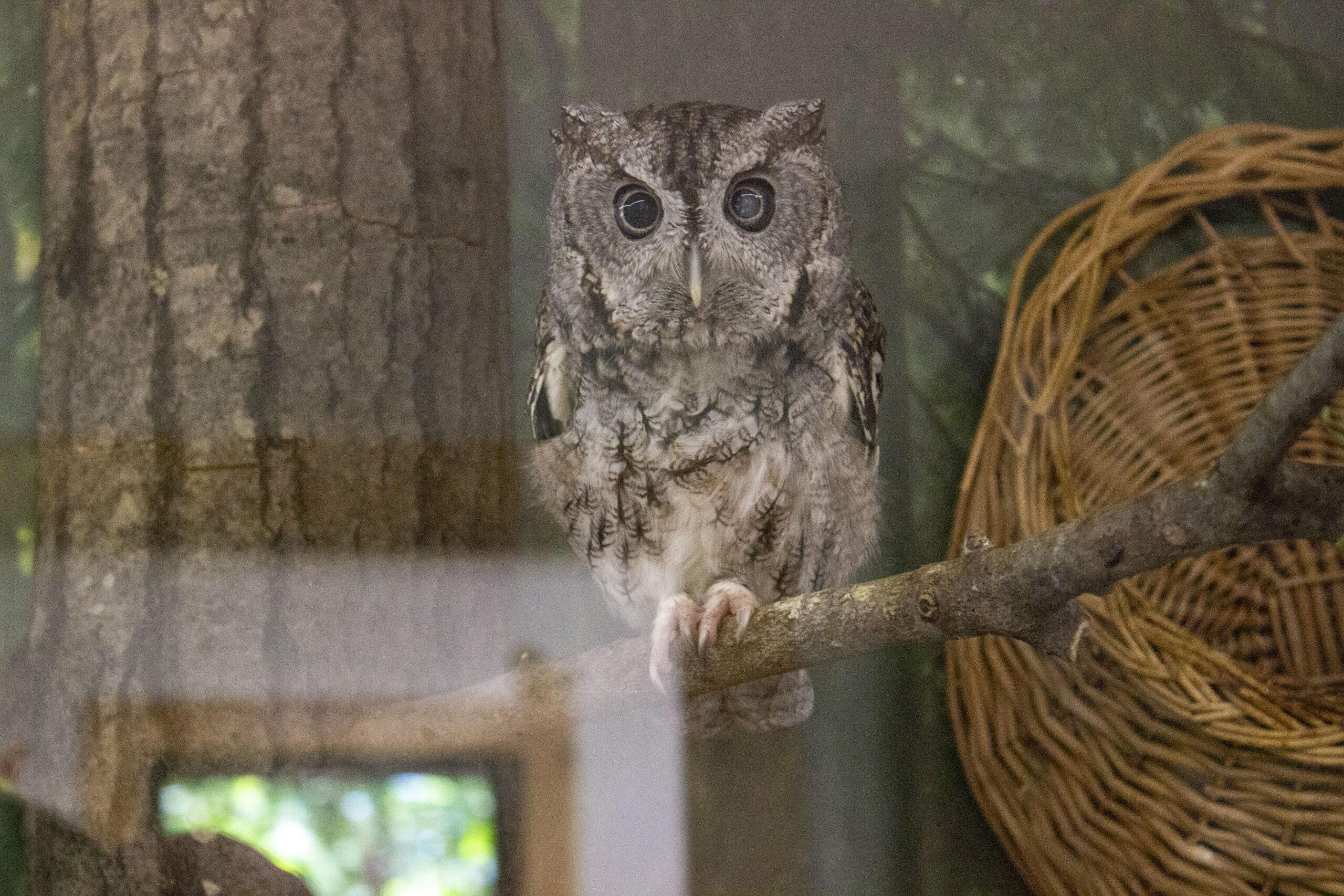
Eastern screech owl Winnie at the Ohio Bird Sanctuary in Mansfield, Ohio, June 7. Small owls like Winnie earn their keep on nearby farms by hunting mice and other small rodents that can damage grain and feed supplies. (Paul Rowley photo)
Birds of a Feather: The economic value of birds in agriculture is coming back into focus
By Paul Rowley, Farm and Dairy
In farm country, many species earn their keep by eating insects and pests that damage crops and boosting yields in ways that can substitute for some chemical pest control. Conservation programs that protect grasslands and other habitats help keep those bird populations healthy.
At the same time, bird‑watching has never been a bigger pastime, with millions of Americans traveling, dining and staying in local lodging to see migrating and nesting birds. Nearly 100 million Americans went birding in 2022, spending about $108 billion on trips and equipment according to the U.S. Fish and Wildlife Service. Taken together, the everyday work of birds, and the efforts to conserve them, adds up to real value for farms and rural communities.
|
|
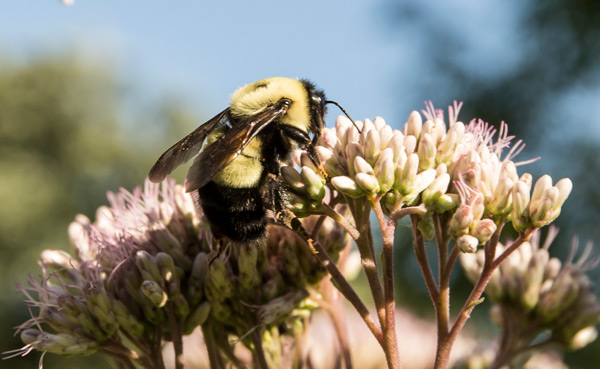 The Endangered Rusty-Patched Bumble Bee. Photo: Tony Ernst The Endangered Rusty-Patched Bumble Bee. Photo: Tony Ernst
ESA Harm Rule Update: Trump's Continued Attacks on Endangered Species Act
The Trump Administration weakened the Endangered Species Act (ESA) with a final rulemaking that could open the door to widespread destruction of habitat for endangered wildlife by rescinding the regulatory definition of “harm” under the ESA — blatantly defying a decision by the Supreme Court on the matter. This is the first in a series of rollbacks aimed at dismantling the law that has saved iconic American wildlife from going extinct and invaluable ecosystems from destabilizing.
|
|
Wild Farm Alliance · PO Box 2570, Watsonville, CA 95077
This email was sent to [email protected] because you subscribed
Change your mind at any time: Unsubscribe
Bringing Nature Back to the Farm
|
|
|
|