| |
|
|
|
This Month
Spring is here and our network is buzzing with new opportunities to put biodiversity to work on farms. This month’s newsletter highlights practical tools, research, and on-the-ground action, from our new Beneficial Bird–Pest/Prey–Native Plant Explorer to a new video resource, hands-on songbird nest box workshops at Marbleseed, a riparian restoration and beavers webinar, plus exciting updates on bird-friendly farming, wildlife monitoring, and multifunctional buffer design. And, in case you missed it, we highlight big changes in WFA’s leadership.
Whether you’re exploring habitat-based pest management, supporting Farmland Flyways, or learning from farmers and researchers across the country, we hope these stories inspire new ways to connect conservation with productive, resilient farming.
|
|
|
New Tool: Beneficial Bird–Pest/Prey–Native Plant Explorer
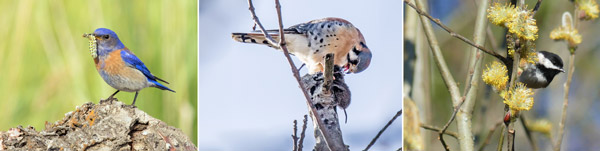
Did you know that many birds you see on farms actively consume crop pests? WFA’s new Beneficial Bird–Pest/Prey–Native Plant Explorer makes it easy to put that natural pest control to work on your farm.
Simply choose a pest you’re managing, and the tool will show you the birds that prey on it. You can then explore the native plants that support those birds and create a customized plant list to help attract them to your farm.
This new tool helps farmers design habitat that strengthens ecological pest management while supporting biodiversity. The tool is currently available for California, Minnesota, and New York.
This release represents the first phase of a larger, expanding project to support farmers and conservation professionals with bird-based, biodiversity-focused pest management solutions. The tool will continue to grow and be updated as new data is acquired and validated.
Explore the tool at the link below and start building your plant list.
|
|
New Video! Tree Swallows: Helping Farmers Control Flies
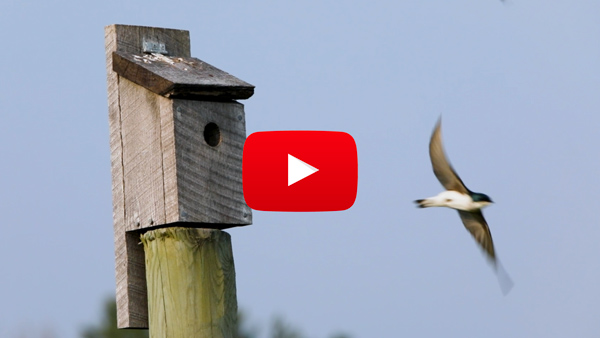
Learn about the benefits of Tree Swallows in livestock production from farmer Hannah Bernhardt of Medicine Creek Farm and farmers Brian and Mary Keeter of Harmony Hills Farm. Hannah shares details on biodiversity at Medicine Creek Farm and how Tree Swallows have reduced costs for managing flies for her cattle. Brian and Mary share results from their farmer-led research funded by a Sustainable Agriculture Research and Education grant looking at fly populations before and after installing nest boxes at their farm.
|
|
WFA at Marbleseed 2026
By Alayna Merchlewitz, Program Operations Coordinator
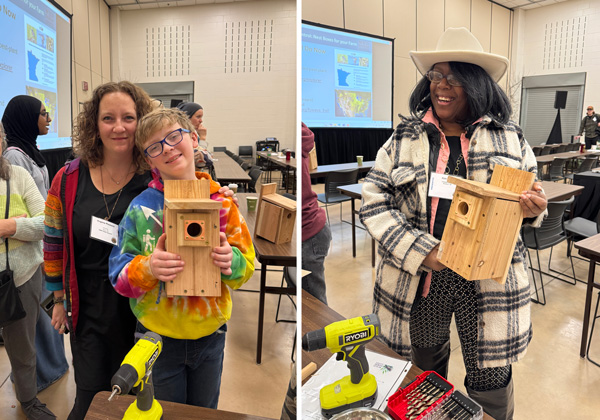
At the end of February, Wild Farm Alliance traveled to the heart of the Driftless Region in La Crosse, Wisconsin, for the 37th annual Marbleseed Organic Farming Conference. This year’s theme, “Abundance Grows in Solidarity,” set the tone for three days of relationship-building and knowledge sharing with Midwest growers. Many attendees stopped by the WFA table, drawn to the songbird nest boxes on display and were excited to learn they could build their own during our upcoming workshop.
On the final morning of the conference, while attendees poured their first cups of coffee, WFA staff poured screws into bowls and arranged hundreds of pieces of wood for our hands-on session, “Build a Home for Songbirds, Build Pest Control for Your Farm.” Participants arrived eager to build a nest box and curious about how such a simple structure could make an impact on insect pest populations.
|
|
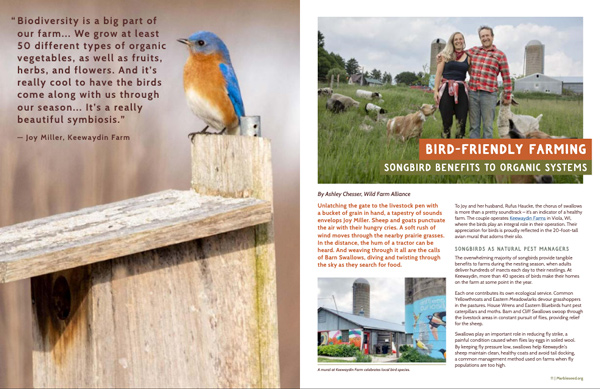
Bird-Friendly Farming: Songbird Benefits to Organic Systems
Featured in Marbleseed’s Organic Broadcaster | Winter 2026
By Ashley Chesser, Wild Farm Alliance
Unlatching the gate to the livestock pen with a bucket of grain in hand, a tapestry of sounds envelops Joy Miller. Sheep and goats punctuate the air with their hungry cries. A soft rush of wind moves through the nearby prairie grasses. In the distance, the hum of a tractor can be heard. And weaving through it all are the calls of Barn Swallows, diving and twisting through the sky as they search for food.
To Joy and her husband, Rufus Haucke, the chorus of swallows is more than a pretty soundtrack – it’s an indicator of a healthy farm. The couple operates Keewaydin Farms in Viola, Wisconsin, where the birds play an integral role in their operation. Their appreciation for birds is proudly reflected in the 20-foot-tall avian mural that adorns their silo.
|
|
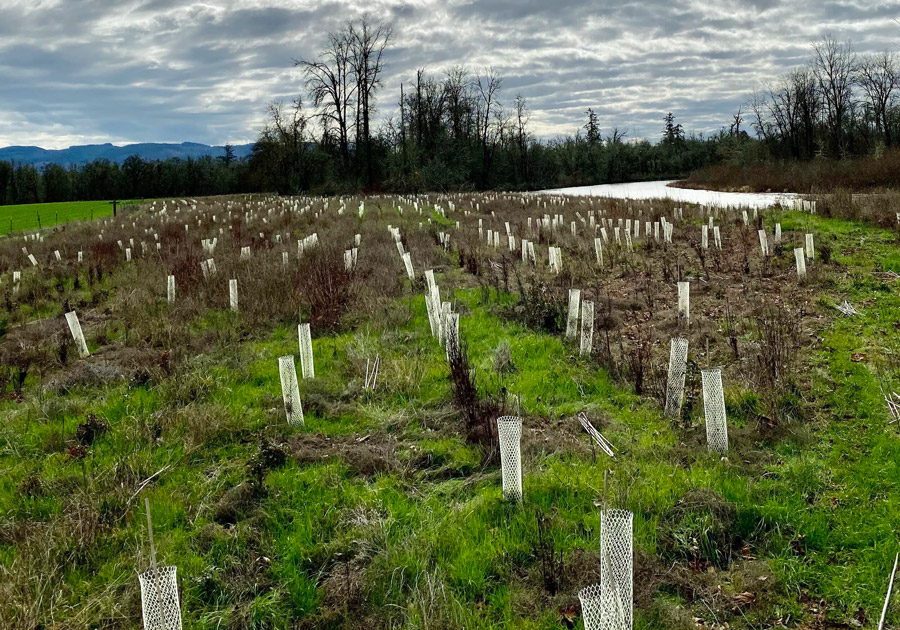
From Soil to Stream: Riparian Restoration and the Benefits of Beavers Webinar
Tuesday, April 21, 2026 | 10:00 am - 11:30 am PST
Learn about farm efforts to keep waterways clean and our ecosystems healthy for generations to come – from riparian plantings to co-existing with beavers.
|
|
Wild Farm Alliance Announces Leadership Transition
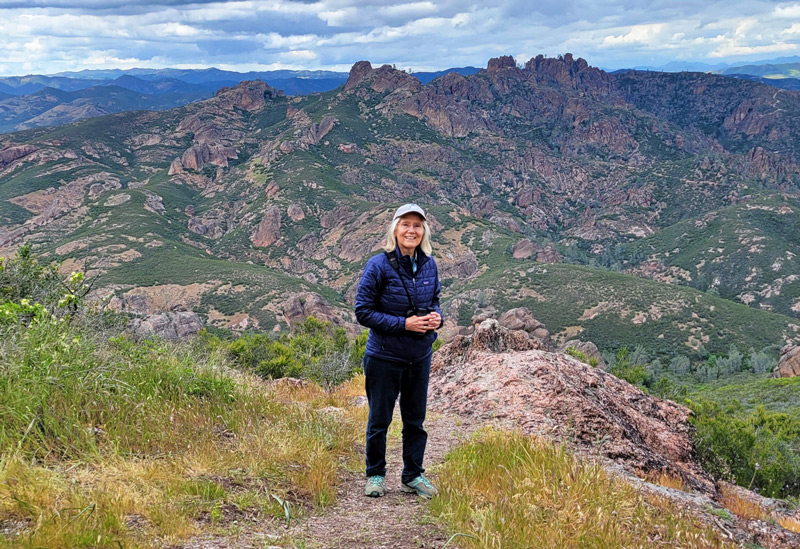
After 25 years as the Wild Farm Alliance Executive Director, Jo Ann Baumgartner will retire at the end of August. She is working closely with the Board of Directors and staff to support a transition to a new model of leadership. As part of this transition, WFA will move to a co-directorship structure, reflecting the organization’s long-standing commitment to collaboration and collective impact.
We are excited to announce that Shelly Connor, WFA’s Deputy Director (based in the Midwest), will become one of the Co-Directors. A second Co-Director based in California will be hired later this year.
|
|
We Won a Statewide Award and We’re Just Getting Started
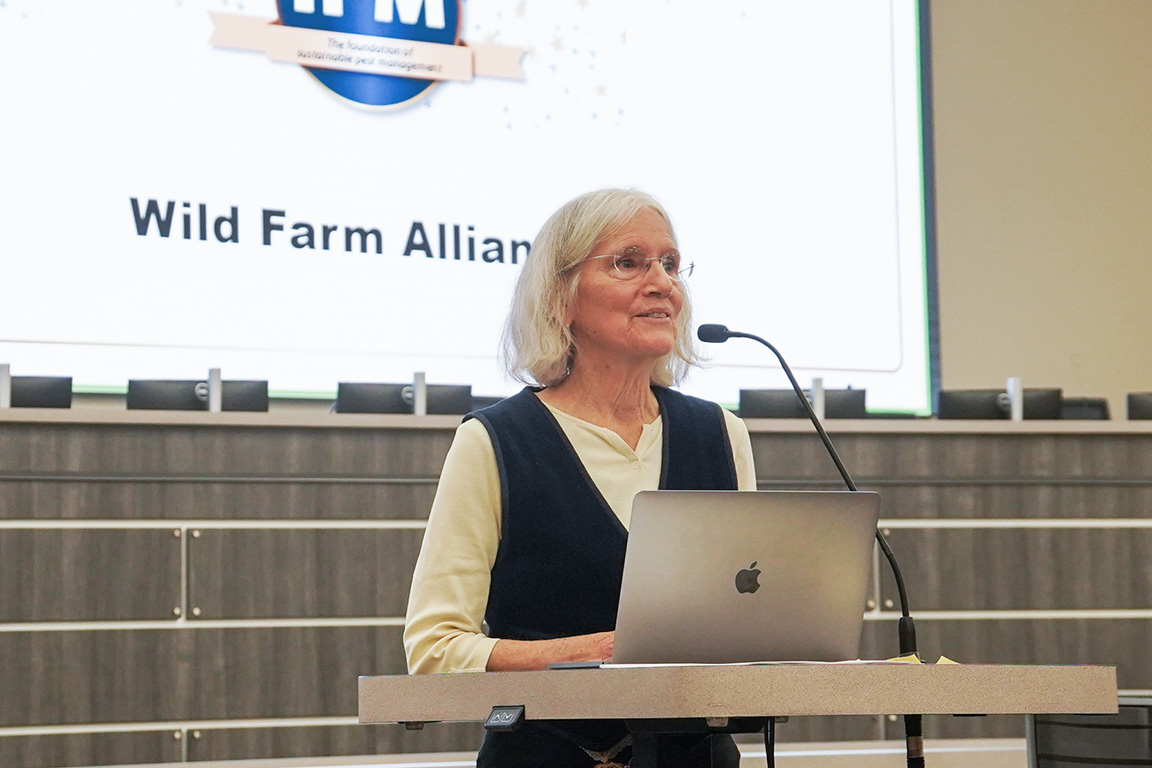
On February 24, Wild Farm Alliance was honored to receive an Integrated Pest Management (IPM) Achievement Award from the California Department of Pesticide Regulation (DPR) during a ceremony celebrating leaders in sustainable pest management across California. The award recognizes our work to advance habitat-based pest management and biodiversity-driven solutions that help reduce pesticide use on California farms.
|
|
Wildlife and Pathogens in Produce Fields:
What Research Is Revealing
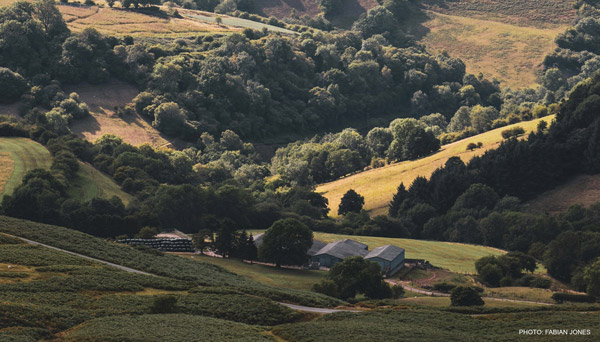
A recent article examines the relationship between food safety and wild nature from the perspective of a microbiologist. At a time when food safety discussions can sometimes favor removing native plants and animals from farms in the name of risk reduction, WFA staff are glad to see a balanced analysis grounded in current science. The article offers a thoughtful framework that growers may find useful when discussing wild farming practices with food safety auditors.
|
|
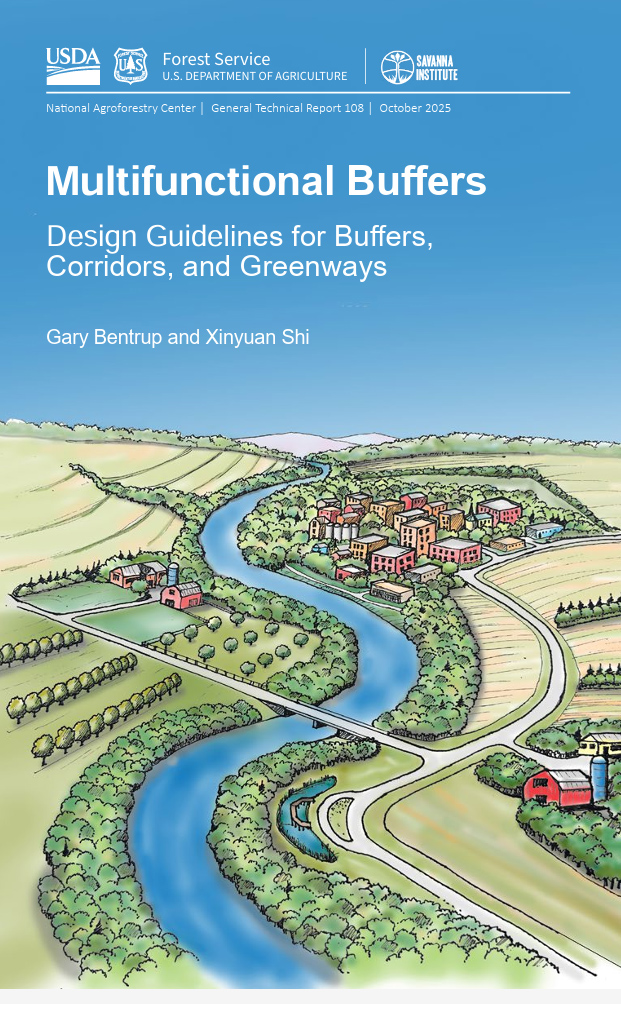
Multifunctional Buffers Design Resource
A new resource from the U.S. Department of Agriculture provides comprehensive recommendations for designing multifunctional buffers on farms.
|
|
|
|
Multifunctional buffers are strips of vegetation placed in the landscape to influence ecological processes and provide a variety of goods and services. They are known by many names such as filter strips, greenways, wildlife corridors, and windbreaks. Environmental benefits include protecting soil resources, improving air and water quality, and supporting fish and wildlife habitat. Buffers can offer socioeconomic benefits such as augmenting crop and livestock production, enhancing the human environment, and providing recreational opportunities. In addition, buffers can enhance ecosystem resiliency through climate change mitigation and adaptation. A large body of scientific knowledge exists to help guide the planning and designing of buffers. Unfortunately, this information is widely dispersed throughout the repositories of research literature and is not easily accessible for most people. The publication provides a synthesis of this diverse knowledge base into distilled, easy-to-understand design guidelines.
|
|
|
While American Bird Declines Are Associated with Agriculture, Wild Farming Offers Hope
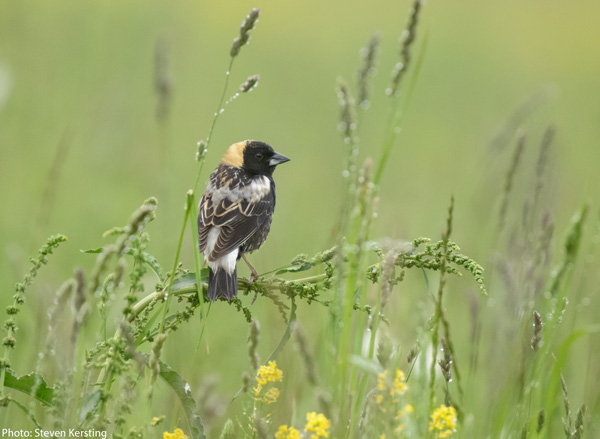
A sobering new study using data from North American Breeding Bird Survey (1987–2021) found that nearly half of 261 bird species examined are declining, with many of these declines accelerating, particularly in hotspots associated with high-intensity agriculture (high cropland area, fertilizer use, or pesticide use). The findings suggest that agricultural intensity may be contributing to both widespread bird population losses and increasing rates of decline, highlighting the urgency of conservation actions on farms.
Our food and farming systems must be transformed into a solution, rather than a threat, for imperiled bird species. Wild Farm Alliance is dedicated to educating farmers about the immense value that birds provide. By inspiring growers to cultivate bird-friendly habitats and install nest boxes, together we can help reverse the devastating decline.
Learn more about our work to support birds on our Farmland Flyways Trail. We are mapping farms that adopt practices to support beneficial birds.
|
|
Wild Farm Alliance · PO Box 2570, Watsonville, CA 95077
This email was sent to [email protected] because you subscribed
Change your mind at any time: Unsubscribe
Bringing Nature Back to the Farm
|
|
|
|