|
|
This Month
Summer is around the corner, which means the biodiverse ecosystems on farms and ranches across the country are hard at work and teeming with life. This month, we’re celebrating the reciprocal relationship between agriculture and nature, from a new short film highlighting how songbirds support vineyard resilience, to field days that bring farmers, researchers, and conservationists together to explore biological control, soil health, and climate resilience in action.
We’re also sharing opportunities to learn and connect through upcoming workshops, on-demand sustainable pest management courses, and a podcast conversation with WFA’s Midwest Program Associate Courtney Tchida, exploring how biodiversity strengthens food systems and farm resilience. Alongside these stories, we highlight new research on native plants and nesting birds, resources for supporting habitat on working lands, and updates from across the broader agricultural community.
Whether you’re interested in installing nest boxes, restoring habitat, or simply looking for new ways to bring wildlife back to the farm, we hope this month’s edition of News from the Wild Side leaves you inspired!
|
|
|

New Short Film!
Birds & Vineyards are Mutually Beneficial
Wild Farm Alliance partnered with the Vineyard Songbird Research Team and Napa Valley wine grape growers to showcase the results of a multi-year project to determine what insects songbirds are eating in vineyards and how to best support them. Learn how songbirds can be pest control allies when given places to nest and factors to consider when installing nest boxes.
The film premiered at a special event at the Cameo Cinema in St. Helena on April 30 and is now available to view on YouTube.
|
|

WESTERN FIELD DAYS
Wild Farm Alliance is partnering with Salmon Safe, alongside farmers and researchers, to host a four part field series. At each event we'll explore conservation biological control, soil health, and climate resilience: practices proving critical as farmers navigate a changing landscape.
Each field day will be specific to the eco-region of the farm. All events are FREE but registration is required. Three field days remain:
Jessie’s Grove Winery Field Day on June 2 in Lodi, California
Jessie's Grove is a family-owned estate and ranch, founded in 1868 and home to the oldest vines in the valley. With barn owl boxes and an oak grove, the winery supports biodiversity and benefits from its presence.
Scenic Valley Farms Field Day on June 16 near Salem, Oregon
Scenic Valley Farm is committed to conserving water resources through dry-farming their vines and hops. They also support biodiversity through cover cropping and providing songbird nest boxes and bat houses. Additionally, solar panels are installed on all production areas throughout the farm.
Gooding Farms Field Day on July 15 in Parma, Idaho
Gooding Farms grows quality hops while enhancing soil health with cover crops and livestock grazing in the rows.
|
|

MIDWESTERN FIELD DAY
Wildlife at Work: Birds, Beavers, & Beneficials at Sharing Our Roots Farm
July 21, 2026 | 8:00 AM - 12:30 PM
Sharing Our Roots Farm
4905 315th St W, Northfield, MN 55057
Join fellow farmers and agricultural professionals for a FREE, hands-on field day exploring the latest tools and research on using conservation practices to support wildlife, strengthen pest control, improve water quality, and build climate resilience on Midwest farms.
Sessions Include:
- Farm tour
- Pollinators and beneficial insects
- Beavers and water systems
- Songbirds and raptors
- Native plants and habitat
The event is free, but registration is required.
|
|

WFA Installs Nest Boxes on Midwest Farms
This spring, Wild Farm Alliance partnered with Farm Buds and Bang Brewery to build nest boxes to install on farms. In May, we helped install 45 nest boxes on 11 farms across Ramsey and Washington Counties in Minnesota. The diversity of crops growing on each farm truly represents the diversity of agriculture in Minnesota, everything from dry beans to veggies to Christmas trees to fruits and more. All the farms were excited to host nest boxes for songbirds that will help with pest control on their farms.
|
|
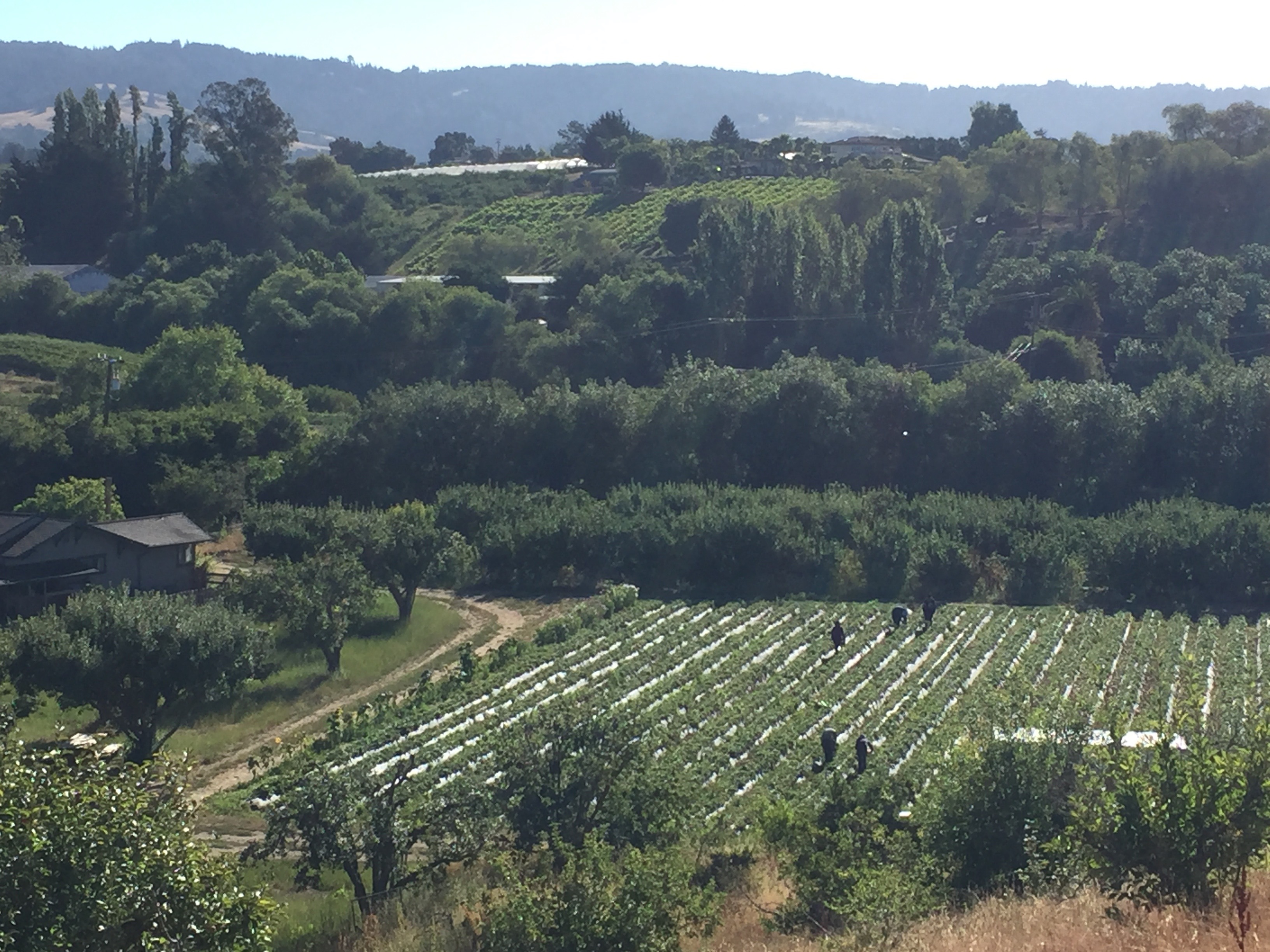
WFA’s Courtney Tchida Featured on Agroecology Uprooted Podcast
With food systems and the planet in crisis, what would true resilient, sustainable, and just solutions look like?
Institute for Agriculture and Trade Policy recently premiered a new podcast series, Agroecology Uprooted. In this five-episode series, IATP’s Lilly Richard talks with experts about the extensive damage caused by the industrial agricultural system, and the potential for agroecology to feed communities, foster biodiversity, build resilience, and support the wellbeing of farmers and food producers.
Episode three dives into the biodiversity and ecological relationships needed to support farm resilience and healthy food systems. Hear from ecology experts Dr. Claire Kremen, Courtney Tchida, and Dr. Jonathan Lundgren on what's at stake under the industrial system, and how restoring biodiversity can have surprising benefits on the farm and beyond.
|
|
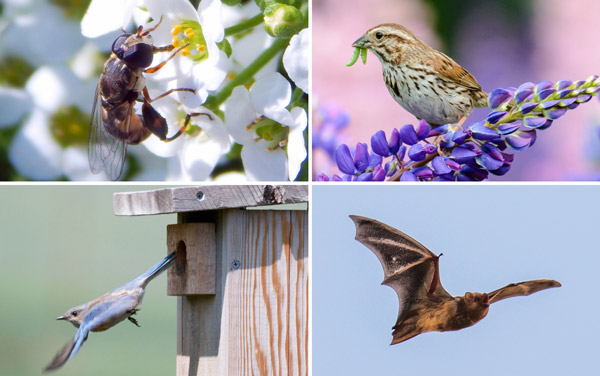
WFA Offers On-Demand Sustainable Pest Management Courses
Wild Farm Alliance currently offers six free courses designed to help growers and agricultural professionals successfully integrate sustainable pest management strategies into their operations. Each course explores a unique piece of the puzzle - from supporting beneficial birds, bats, and insects to building healthy soils and diverse habitats.
“I give this course an A+...this has hands-down been the most interesting CEU class that I have taken in years.” -Charlie L. after completing the Avian and Bat Allies: Integrating Wildlife into Sustainable Pest Management course
|
|
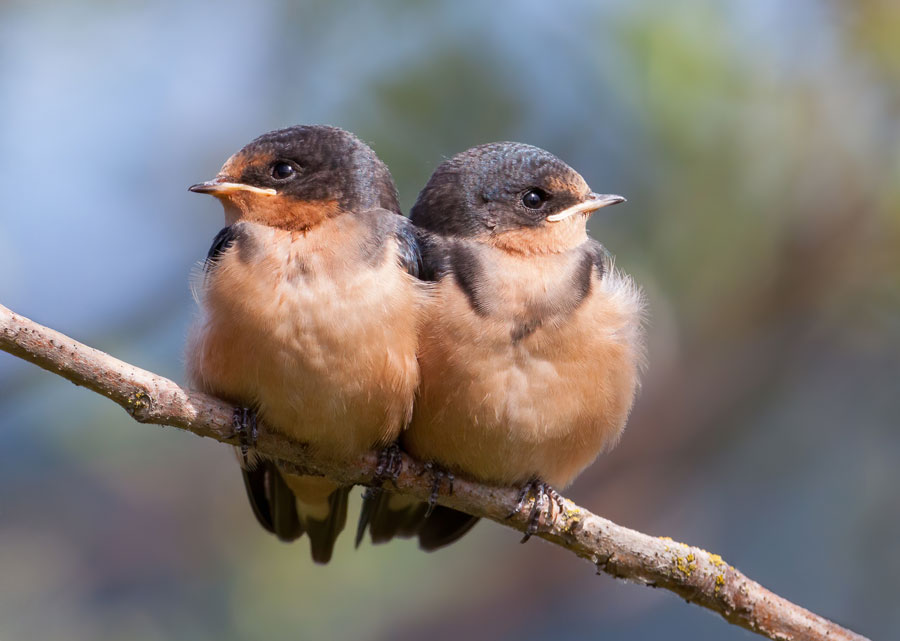
WFA Seeking Applicants for Co-Director
Location: California
Start Date: September 1, 2026
Compensation: $80,000 - $100,000 annually
WFA is seeking a Co-Director to join the organization at a pivotal moment of leadership transition and growth. This open position of Co-Director will partner as an equal executive leader to steward WFA’s mission, strategy, programs, staff, fundraising, and financial health.
The ideal candidate will bring a combination of leadership experience, proven fundraising skills, strategic and creative thinking, have a genuine interest and passion for the nexus between sustainable agriculture and conservation, and a deep commitment to WFA’s mission.
|
|
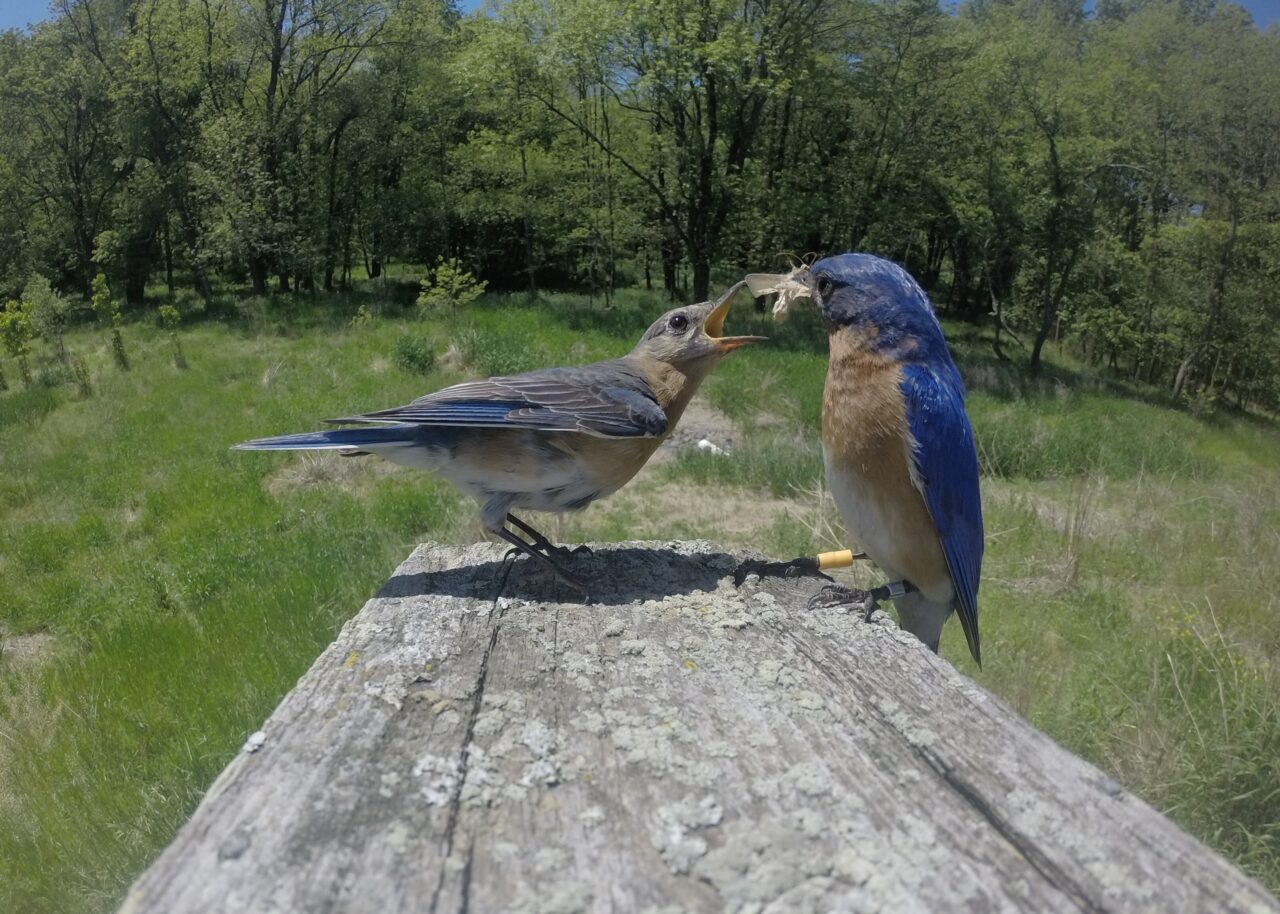 Photo credit: Ashley Kennedy Photo credit: Ashley Kennedy
Cornell NestWatch: Supporting Nesting Birds in your Own Backyard
What helps birds successfully raise their young? New guidance from Cornell Lab of Ornithology’s NestWatch program points to a powerful answer: native plants. Drawing on long-term data, the research shows these plantings can significantly improve nesting success for Eastern Bluebirds by increasing insect prey, providing better cover, and creating healthier breeding habitat.
At Wild Farm Alliance, we’re working to apply the research coming from programs like NestWatch to help farmers and land stewards put these ideas into practice. Our habitat and biodiversity tools provide practical guidance for creating native habitat that supports birds, pollinators, beneficial insects, and resilient farms alike. Whether you’re planting new hedgerows or restoring existing habitat, these resources can help you build landscapes where both wildlife and people thrive.
|
|

The World's Farmers have a $20 Billion Ally: the Amazon rainforest
New research reveals that the Amazon plays a far bigger role in generating rainfall than previously understood, with major consequences for agriculture and the economy. Click through to find out what scientists discovered.
|
|
The Answer is Reciprocity
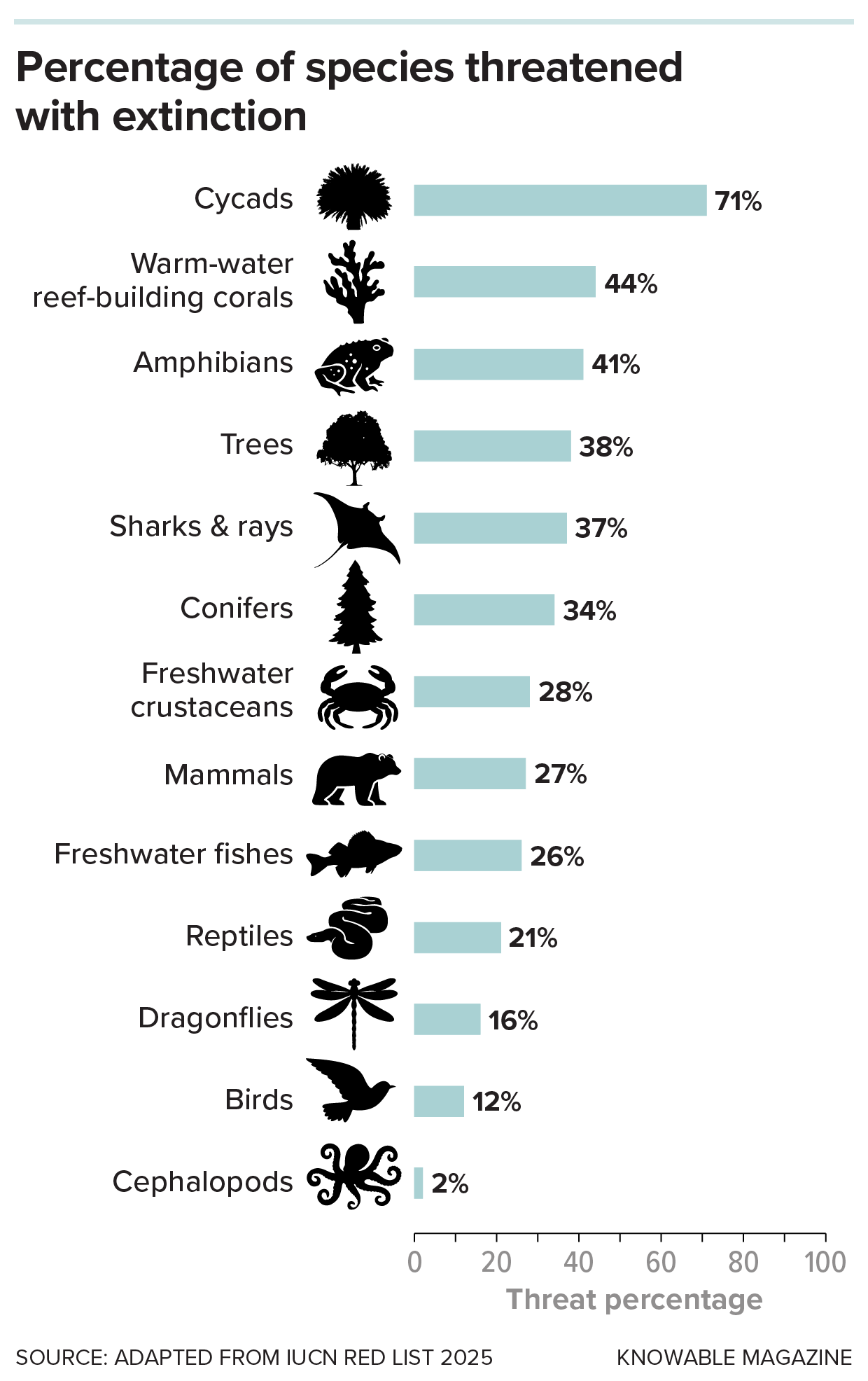
The Deep Roots and Fragile Future of Biodiversity
By Valeria Román, Knowable Magazine
Species are disappearing at least 10 to 100 times more rapidly today than extinctions observed over millions of years. A biologist says the answer is reciprocity — to give to the planet and not just take.
|
|
Wild Farm Alliance · PO Box 2570, Watsonville, CA 95077
This email was sent to [email protected] because you subscribed
Change your mind at any time: Unsubscribe
Bringing Nature Back to the Farm
|
|
|
|


