


Lesson 6 – Tree Swallows Helping Farmers Fight Pests
Presentation Recording
Presenters
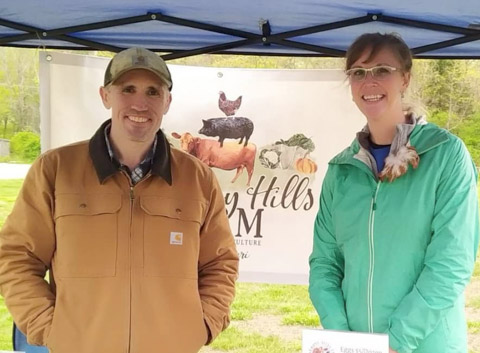
Brian and Mary Keeter own and operate Harmony Hills Farm near Leslie, Missouri, where they practice regenerative agriculture and rotational grazing with cattle, chickens, and pigs. They specialize in direct-to-consumer grass-fed beef while developing silvopasture on their farm.
David Winkler was Professor of Ecology and Evolutionary Biology at Cornell University from 1988 through 2019. With dozens of students and colleagues, he studied Tree Swallows breeding in Ithaca, NY, and he led studies of the breeding biology of all the Tree Swallow’s most closely related six species from Alaska to Argentina. He and two of his students authored the species account for the Tree Swallow for the Birds of North America project in 2011.
Learning Objectives
Upon successfully completing this lesson, participants will understand:
- The impact of flies on grazing cattle
- Fly mitigation strategies using the Tree Swallow
- The effect of air temperature on the availability of swallows’ flying insect prey
- How Tree Swallows’ reliance on existing cavities makes them well-suited to using nest boxes on farms
Resources
- Natural Fly Control on Rotational Grazing Silvopastures Sustainable Agriculture Research and Education Project with Harmony Hills
- Thoughts on the Air and the Birds That Make Their Living There by David Winkler
- Aquatic insects rich in omega-3 fatty acids drive breeding success in a widespread bird
- Birds advancing lay dates with warming springs face greater risk of chick mortality