|
|
This Month
The summer is full of new habitat, sharing of ideas, and meaningful time in the field. This month, we reflect with and celebrate retiring WFA Executive Director Jo Ann Baumgartner, share a new bird-friendly hedgerow in Salinas, and head to Idaho and Minnesota to learn alongside farmers and conservation partners.
From planting habitat to protecting the systems that sustain it, there’s plenty to explore from the wild side of farming.
|
|
|

From Silent Spring to a Life in Wild Farming
WFA’s Executive Director Jo Ann Baumgartner reflects on her growing understanding of ecologically functioning wild farms — and the people who helped shape it along the way.
I'd spent a dozen years farming organically and had just finished a master's thesis on birds eating orchard pests when I joined the first meeting of the Wild Farm Alliance (WFA). Back then, the 'alliance' was really just a group of like-minded souls. It was a thrilling time of exploring wild farming from every angle with the board, constantly testing whether our ideas were both practical for farmers and strong enough conservation to help reverse the loss of biodiversity. We debated it all: hedgerows and habitat patches, farms nestled within wild landscapes, wildlife corridors, coexisting with large predators on ranches, and using fire to manage native grasslands. Together, these discussions deepened our understanding that humans and wild species have evolved together, shaping and depending on one another in reciprocal ways.
|
|

Field Day at USDA Spence Farm
Planting for Beneficial Insects: Hedgerows, Insectary Strips, and Habitat Patches
Date: September 30, 2026 from 8:00 am to 12:00 pm
Location: Spence Research Farm at 1572 Old Stage Road in Salinas, California
Cost: $15 ticket price includes lunch.
Learn from researchers and growers about the benefits of hedgerows, insectary strips and alyssum intercropping, plus the latest food safety research. The day will include a walking tour of a new, long-term hedgerow trial established in 2025, and a 23 year-old hedgerow at the site.
|
|
Planting Beneficial Bird & Insect Habitat at Regenerate 68! Farm
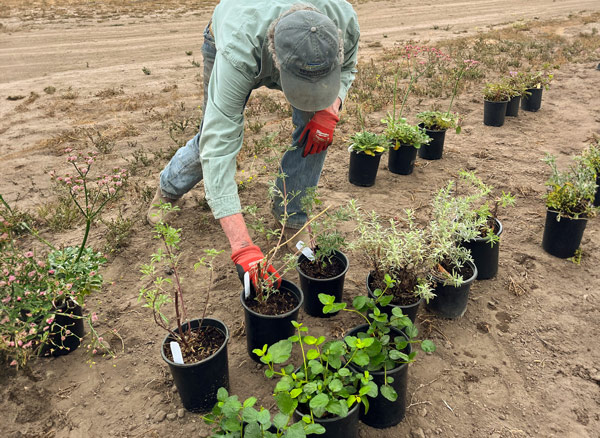
On July 22, WFA staff joined the Regenerative 68! Farm team at the upper edge of their fields in Salinas, California. Farm Manager Jonny Root had prepared the site in advance, leaving two 50-foot elevated soil beds soft and loose for the day’s work. Wild Farm Alliance and Sam Earnshaw of Hedgerows Unlimited had selected 36 native plants from Rana Creek Nursery for a design that incorporated a layering of shorter plants in the front and taller ones in the back.
|
|
Birds, Beavers, Bats and Beneficials at Sharing Our Roots Farm
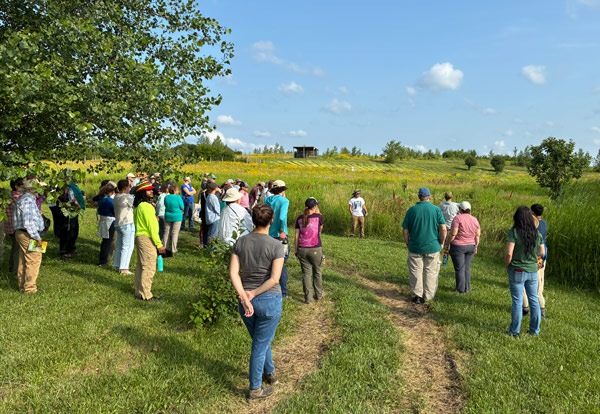
Bright and early on July 21, Wild Farm Alliance’s Midwest staff traveled to Northfield, Minnesota, for the “Wildlife at Work: Birds, Beavers, Bats, and Beneficials on the Farm” field day, organized in partnership with Sharing Our Roots and held at their farm. The event brought together local researchers, partner organizations, and over 50 attendees to explore the many ways nature and agriculture can support one another. Over the past decade, Sharing Our Roots transformed 163 acres of previously degraded, monocropped fields into an ecologically diverse agricultural landscape, making their farm an ideal location for such an occasion.
|
|
Beneficial Insects and Healthy Soils at Gooding Farms
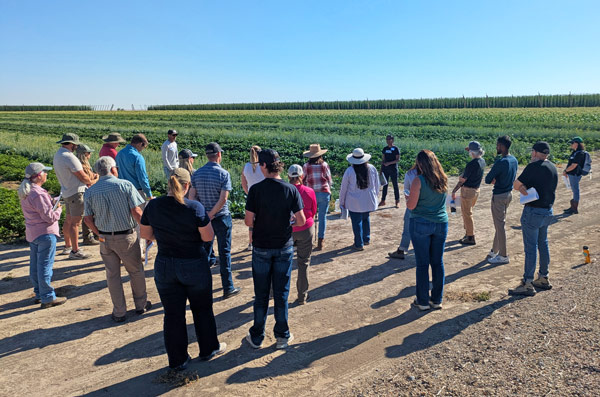
Wild Farm Alliance was thrilled to host our first Idaho field day this July, at Gooding Farms. Along with our co-host Salmon-Safe and 34 participants, we toured the farm, encouraged networking, and heard from researchers and experts in farm conservation practices.
Gooding Farms is run by sisters Michelle Gooding-Badiola, Diane Gooding, and Andrea Gooding. They primarily grow hops, but also incorporate vegetable row crops and raise livestock. Michelle and Diane opened up the event by introducing their operation and then we headed out on the tour.
|
|
Free Pollinator Habitat Technical Assistance and Seed for Minnesota Farms
Whether you’re looking to boost wildlife on your land, improve water quality, increase farm profitability, or integrate native plants into your operation, the Monarch Joint Venture is here to help! Their habitat team can assist with every step of the process—from site preparation and seed mix design to plant selection, planting, long term maintenance, and navigating funding opportunities to support your project. This free technical assistance is funded by the National Fish and Wildlife Foundation.
They also have limited quantities of free Minnesota native pollinator seed mix available for growers, as well as a buffer enhancement program for landowners in eligible watersheds in the Lower Minnesota River Valley. Reach out to [email protected] to learn more.
|
|
Why Trump's ESA Weakening Will Likely Fail
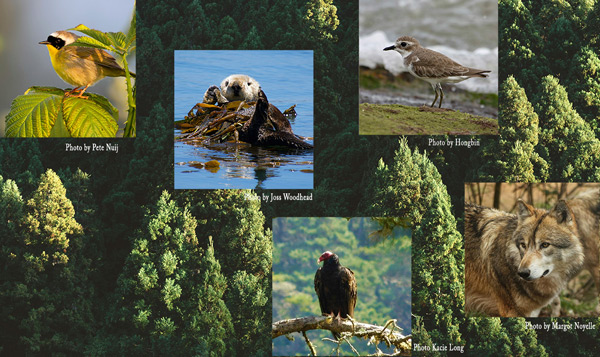
On July 10, 2026, the Trump administration finalized a rule rescinding the longstanding definition of "harm" under the Endangered Species Act (ESA), reversing a 50-year understanding that recognizes habitat destruction as a form of harm to endangered wildlife. A veteran ESA litigator explains why the administration's attempt contradicts both the statute's text and recent Supreme Court guidance.
|
|

Plan Your Legacy for a Biodiverse Future
Make-A-Will Month reminds us: there's no better time than now to protect what matters most.
Protecting biodiversity and supporting ecologically healthy farms starts with a vision for the future. Estate planning lets you extend that commitment through a gift to Wild Farm Alliance. This August, explore how you can help secure thriving, biodiverse farms for future generations to come.
|
|
Wild Farm Alliance · PO Box 2570, Watsonville, CA 95077
This email was sent to [email protected] because you subscribed
Change your mind at any time: Unsubscribe
Bringing Nature Back to the Farm
|
|
|
|


