|
|
This Month
As fall settles in, we’re celebrating the many ways biodiversity strengthens our farms and communities. From our brand-new guide highlighting ways to protect beneficial birds on farms, to the kickoff of our Midwest Role of Birds on Farms webinar series, there’s plenty to explore. You’ll also find new research demonstrating the impact of hedgerows on weed suppression; our letter to Congress urging a Farm Bill that addresses SNAP cuts; a thought-provoking Offrange feature on birds and food safety; and an opportunity for California almond growers to boost pollinator habitat through the Monarch Wings program. Plus, don’t miss your chance to weigh in on pollinator conservation with California Native Plant Society’s grower survey. Finally, thanks to those of you who donated to our Earth Gives campaign, securing us match funding. We met our goal, but there’s still time to donate and get a WFA hat.
|
|
|
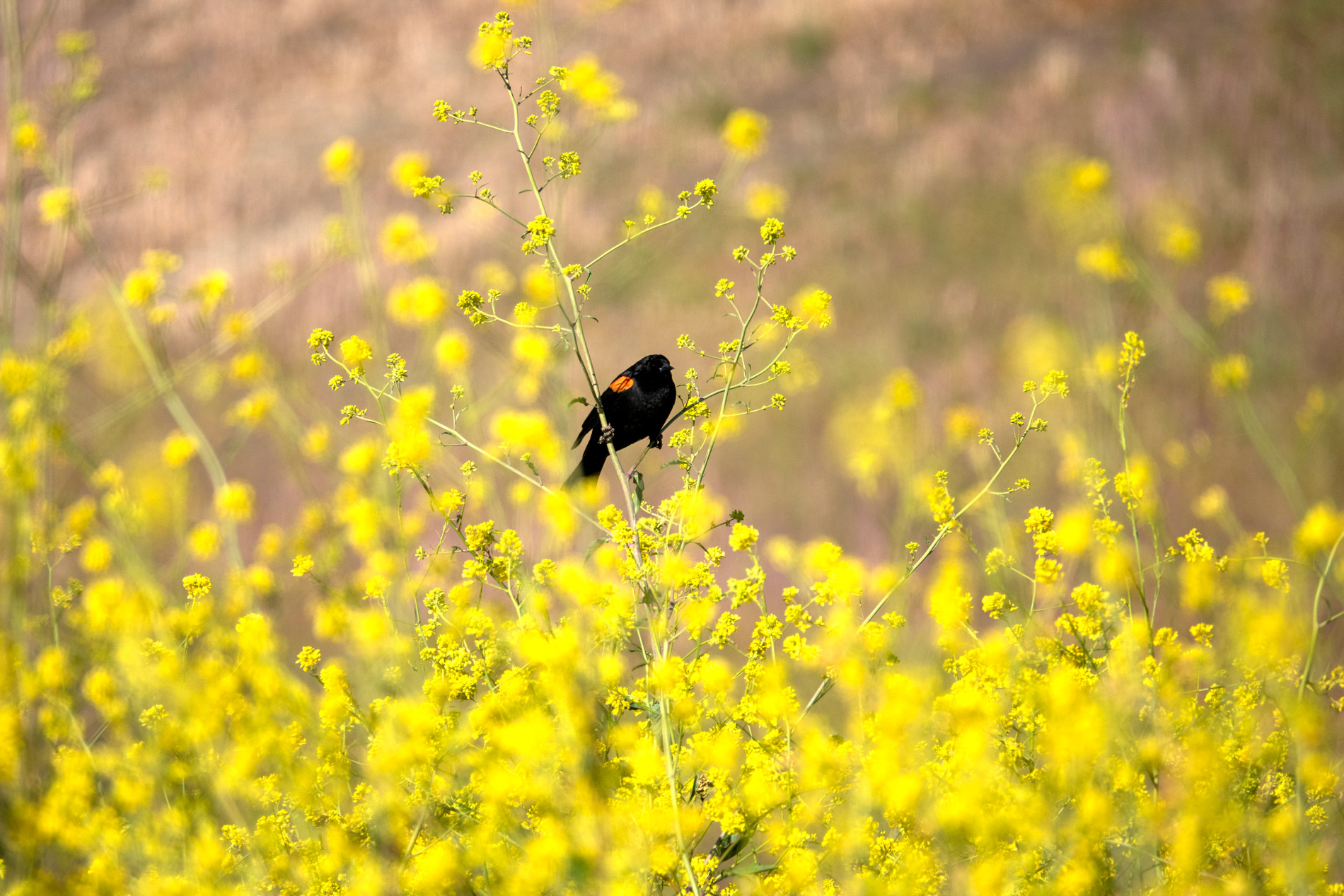
New Bird Safety Publication
Birds play a vital role in agricultural landscapes, providing natural pest control, lowering reliance on chemical inputs, and contributing to the overall resilience of farming and ranching systems. WFA is pleased to release a new publication that highlights ways farmers can reduce risks to birds while maintaining productive working lands.
Inside, you’ll find:
- Research on which pesticides–conventional and organic–are most harmful to birds
- Best practices for terminating cover crops to protect ground-nesting birds
-
Guidance on safe nest box placement near roads and high-traffic areas
Together, these practices can help ensure that birds remain allies in healthy, resilient farming systems. If you missed our webinar on the same topic, watch the recording here.
|
|
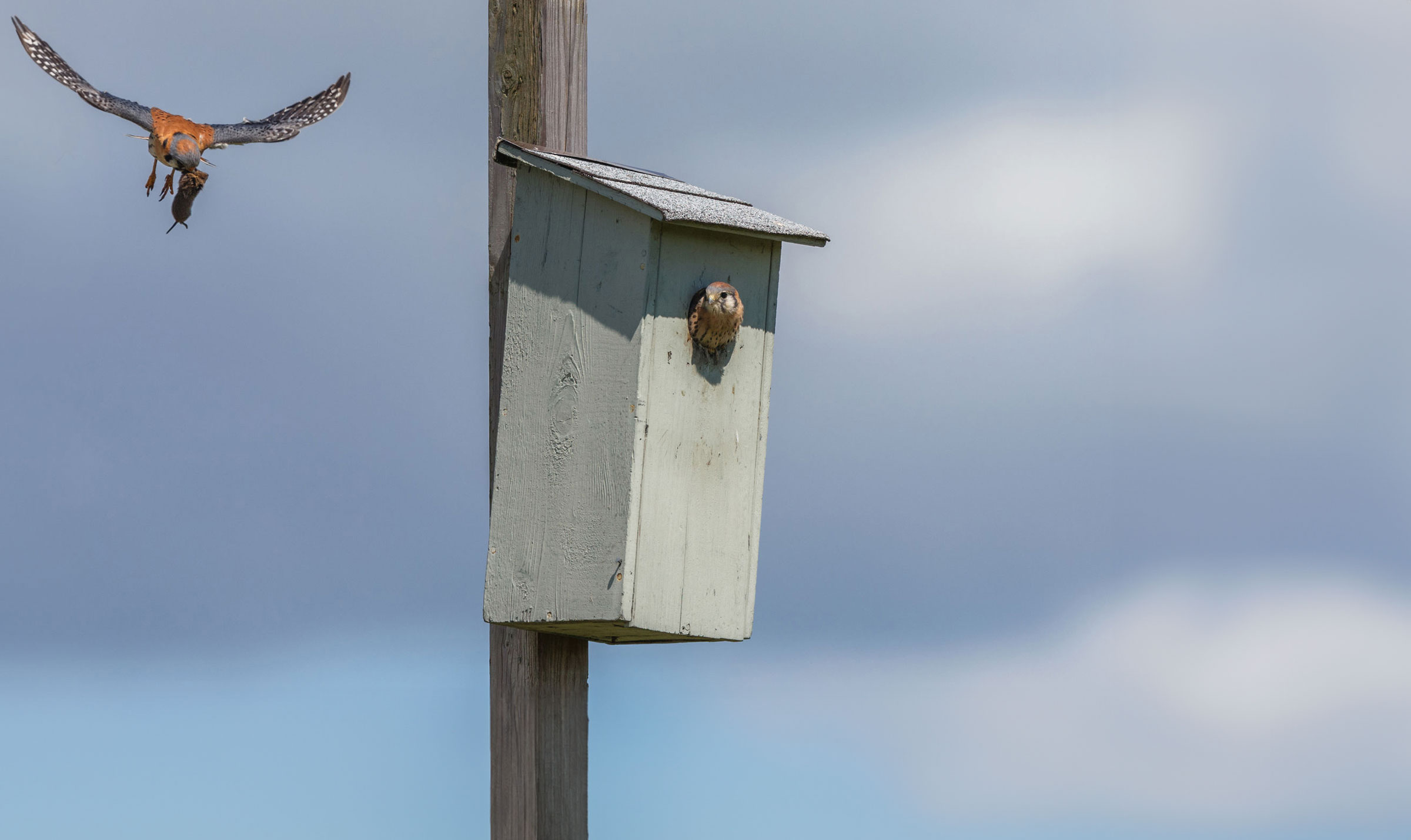
Role of Birds on Midwest Farms Course Underway
Last week we kicked off Lesson 1 of our webinar course, Role of Birds on Midwest Farms. WFA’s Jo Ann Baumgartner and Sara Kross; Senior Lecturer in Terrestrial Ecology at University of Canterbury, and WFA board member; introduced us to the benefits of birds on farms and what they need to thrive. If you missed it, you can watch the recording here.
Join us for Lesson 2, American Kestrels as Pest Control Allies on the Farm, on October 14th.
|
|
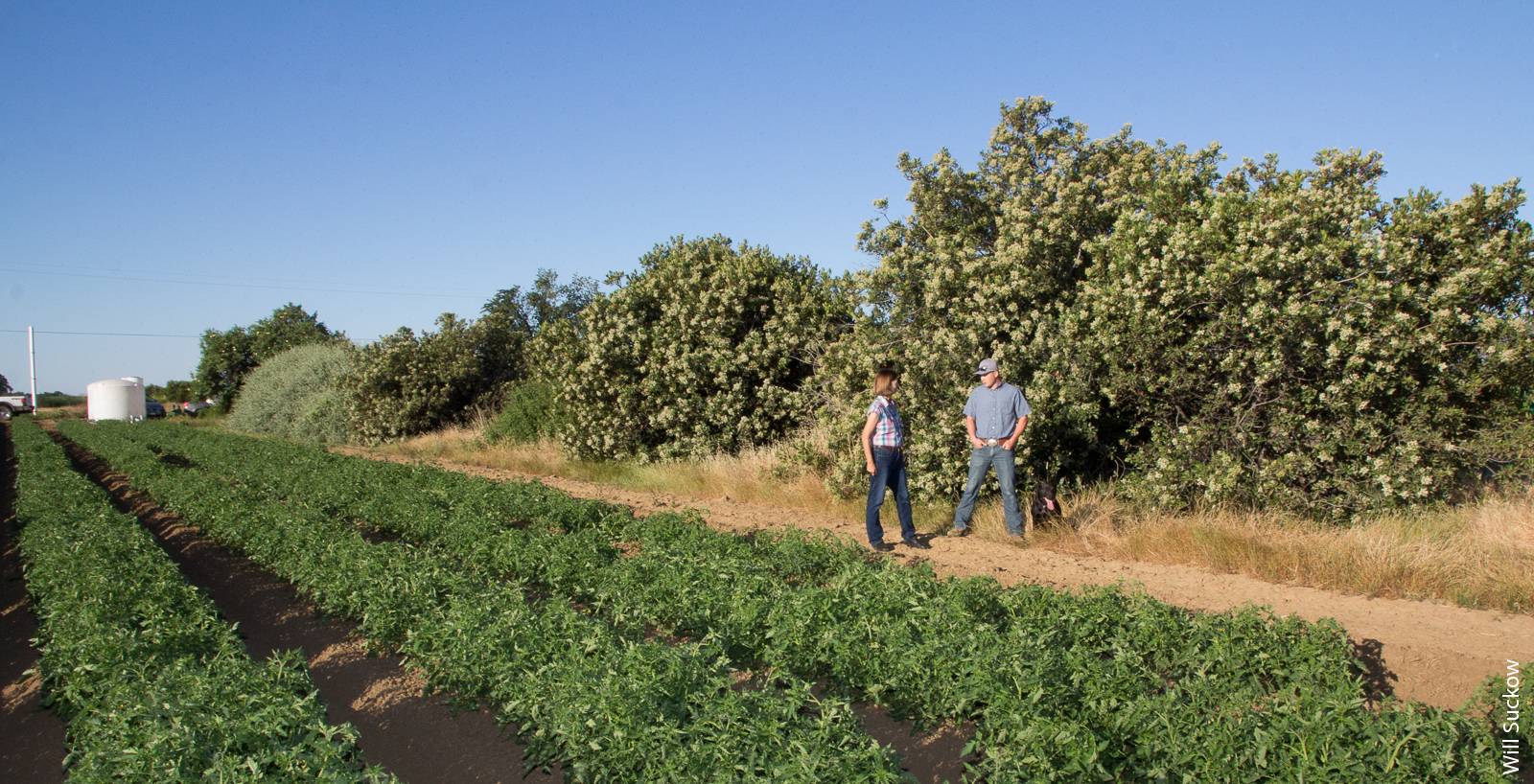
Hedgerows on Field Borders Suppress Weeds
Established hedgerows of native plants on the borders of crop fields provide a variety of ecosystem service benefits in agricultural landscapes. However, their influence on weed communities is not well understood, and there are concerns that hedgerows could contribute to weed infestations on farms. To address this research gap, Rachael Long, friend, collaborator of WFA and Emeritus Farm Advisor, and Justin Valliere, Assistant Professor of Cooperative Extension, examined the role of established hedgerows of native California plants on weeds.
They looked at weed abundance (weed numbers and cover) and weed species richness in field borders, and in adjacent crops, in large-scale, monocropping systems compared with conventionally managed field borders (i.e., no hedgerows).
After analyzing over 100,000 data points, they found that across 20 farm sites in California’s Central Valley, hedgerows on orchard crop borders reduced weed numbers by 66%, weed species richness by 59%, and weed cover by 74%. On annual field crop borders, hedgerows reduced weed numbers by 71%, weed species richness by 60%, and weed cover by 70%. This study highlights the effectiveness of native hedgerows as a sustainable nature-based solution for reducing weed pressure and management inputs on farms.
|
|

Photo: Britt Reints
Farm Bill Needs to Address SNAP Cuts and Provide Healthier Food For All
WFA joined nearly 600 groups representing farmers, advocates, food businesses, and organizations from all corners of the country in urging Congress to enact a farm bill that addresses hunger in the U.S. “We will only support a farm bill that provides adequate and accessible SNAP [Supplemental Nutrition Assistance Program] benefits to families and individuals, makes our food safer, healthier, and more affordable; that supports good, family-sustaining jobs for food workers; and that supports family farmers and their communities,” says a letter from the groups to congressional leaders. The One Big Beautiful Bill Act “includes devastating impacts to nutrition assistance and [SNAP] that will exacerbate hunger for millions of Americans, including children, older adults, and veterans.”
The final letter was delivered on Monday, September 22nd and can be read at the link below. If this issue is important to you, we urge you to reach out to your Members of Congress as well.
|
|
Graphic by Adam Dixon
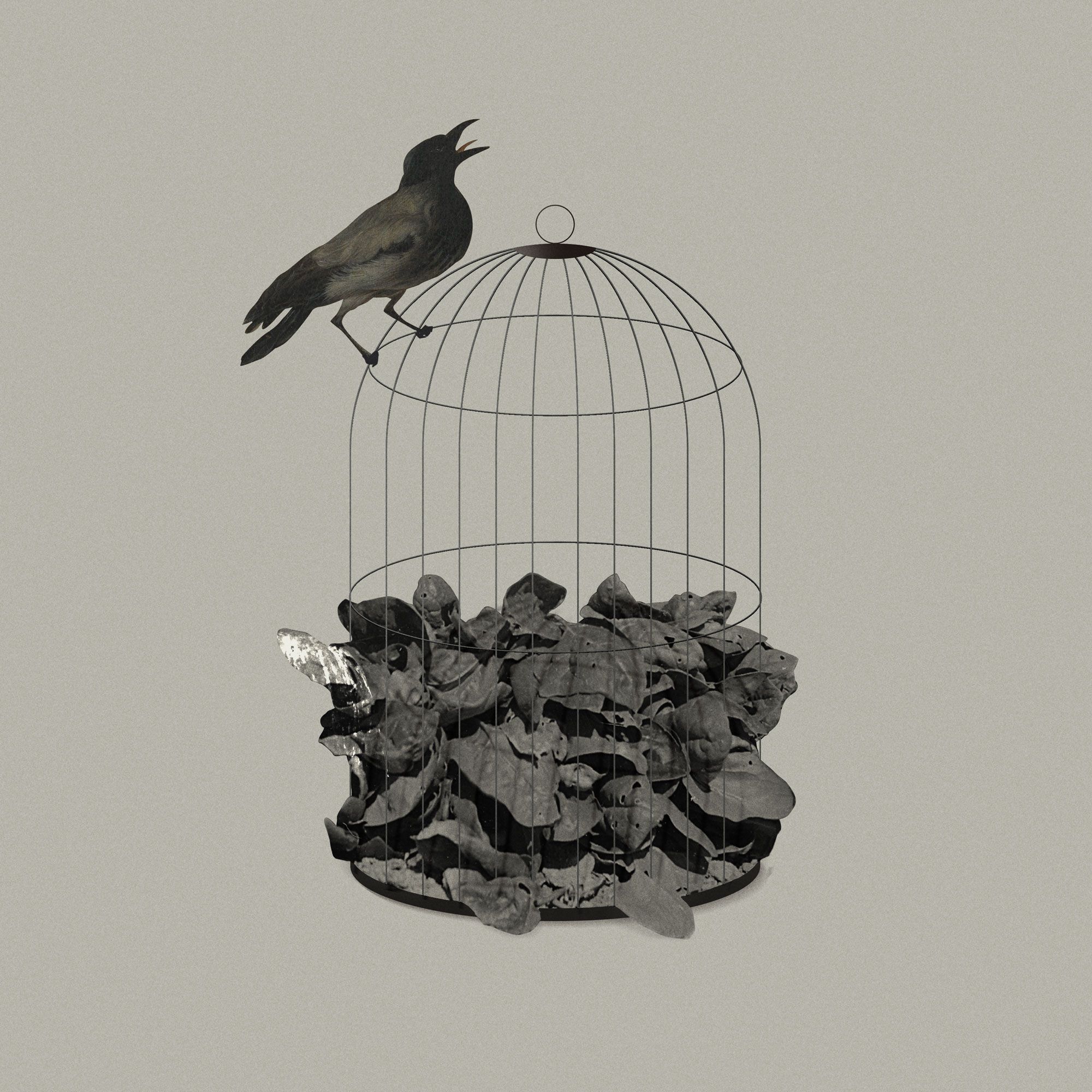
That Won't Fly: Reframing Birds, Food Safety, and Farms
A new article in Offrange magazine explores the common misconception that wild birds pose a major food safety risk in agriculture. Studies show that most birds on farms–especially those beneficial ones that consume pest insects and rodents–present a relatively low risk. Misguided pressure from buyers has led some growers to remove habitat, and most to use unnecessarily large no-harvest zones which is costing both biodiversity and farm resilience.
Wild Farm Alliance is working to change this narrative. From research partnerships to farmer outreach, we share the science around food safety while supporting the installation of bird-friendly habitat. Thanks to these efforts, farmers and the public are beginning to understand that biodiversity and food safety can go hand in hand. However, greater progress will require buyers to align their expectations with the best available science and support practices that safeguard both farms and ecosystems.
|
|
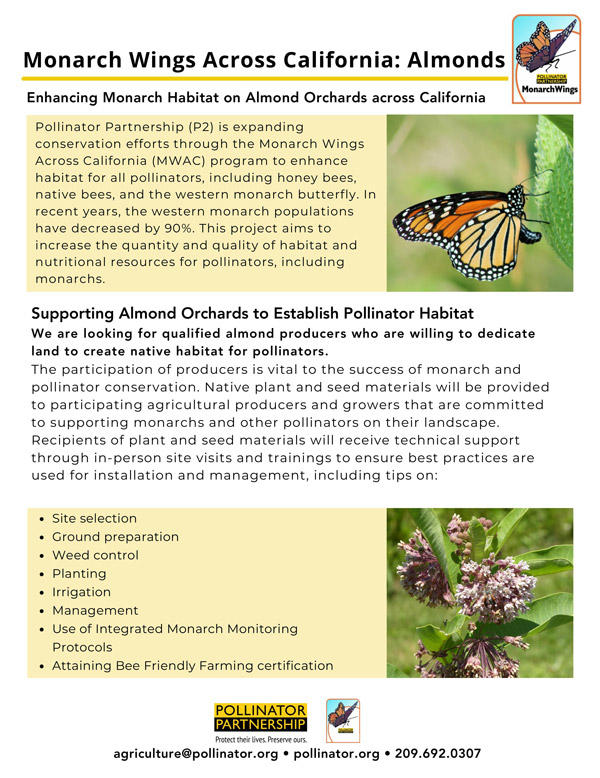
Click image to view full flyer
Calling California Almond Growers
WFA invites California almond growers to join Pollinator Partnership’s Monarch Wings Across California (MWAC) program! This unique opportunity helps boost habitat for monarchs, honey bees, native bees, and other vital pollinators – all at no cost to growers. Participants receive free native seed mixes along with technical support on site selection, planting, and long-term management to ensure success.
Interested growers can reach out directly to P2’s Cade Cappello: [email protected] to get started.
|
|

Pollinators & Planting Decisions: Grower Survey
A new research survey has been launched by the California Native Plant Society (CNPS) and the Department of Entomology at Cornell University. The study aims to evaluate how decision-support tools can improve conservation outcomes for pollinators. CNPS is specifically seeking further engagement from self identified California food growers.
If you grow food in a California farm or garden – you’re invited to participate. The survey takes about 20 minutes to complete and is available in English or Spanish. Access is available via phone or computer (reccomended). Participants will be entered in a drawing for a chance to win one of 100 $10 gift cards. The final day to take the survey is September 30, 2025.
|
|
25th Anniversary Earth Gives Campaign
Wild Farm Alliance joined Earth Gives 2025 for our 25th Anniversary! This nationwide campaign is dedicated to boosting support for climate, environment, wildlife, and renewable energy solutions.
For 25 years, Wild Farm Alliance has championed a vision where farms and nature flourish together. Join us in honoring a legacy of growth and resilience as we look ahead to the next 25 years and beyond.
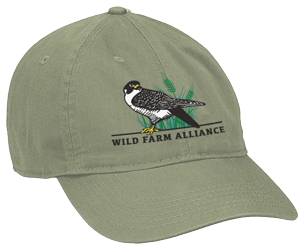 From now until October 7, make a donation of $25 or more via our Earth Gives campaign page and we’ll send you a WFA organic cotton hat. From now until October 7, make a donation of $25 or more via our Earth Gives campaign page and we’ll send you a WFA organic cotton hat.
Every donation plants the seeds for perpetual impact – ensuring that wild farming remains a cornerstone of ecological and agricultural innovation. Your support today paves the way for a tomorrow where the harmony between nature and farming isn’t just a dream, but a reality.
|
|
Wild Farm Alliance · PO Box 2570, Watsonville, CA 95077
This email was sent to [email protected] because you subscribed
Change your mind at any time: Unsubscribe
Bringing Nature Back to the Farm
|
|
|
|


